Are you feeling the squeeze from skyrocketing brass costs? You’re not alone. For decades, brass has been the default material for premium faucets, but today’s global landscape is forcing smart buyers and procurement managers to rethink everything. The surge in copper prices—driven by ongoing geopolitical conflicts and explosive demand from AI and green energy sectors—has made traditional brass faucets a serious threat to your margins. There is, however, a proven, high-performance alternative that is already reshaping the sanitary ware industry: Zinc Alloy (Zamak) die-cast faucets. As a professional ZAMAK DIE CASTING MANUFACTURE, we at www.zamakdiecasting.com are here to show you why switching to zinc isn’t just a cost-cutting compromise—it’s a strategic upgrade.
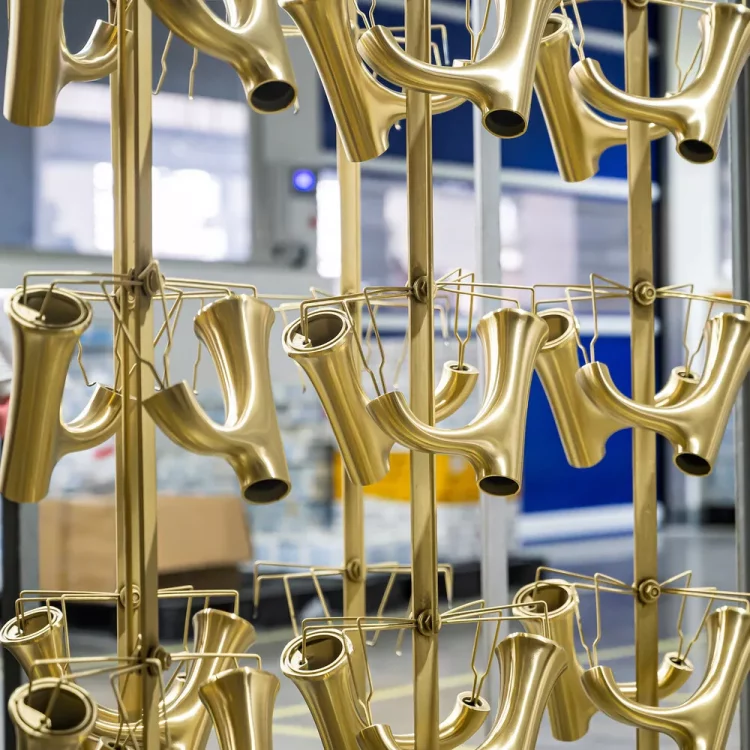
The Copper Crisis: Why Brass Faucet Prices Are Out of Control
To understand why zinc alloy is the present and future, you must first grasp why brass is becoming unsustainable. The price of copper has hit historical highs, and there are two major culprits that show no signs of slowing down.
First, geopolitical instability and war have disrupted global copper mining and refining supply chains. Sanctions, logistics bottlenecks, and energy-intensive refining processes have created a physical shortage of raw copper cathodes. Second, and perhaps more structurally significant, is the AI and green energy revolution. The massive build-out of data centers, electric vehicle (EV) charging infrastructure, solar farms, and wind turbines requires unprecedented amounts of copper for wiring and electrical components. These industries have priority purchasing power, diverting the limited copper supply away from traditional uses like plumbing fixtures.
For you, the faucet buyer, this translates directly to razor-thin profits. Brass faucet blanks require high-grade copper and zinc (to make brass), and the casting and forging costs have risen dramatically. If you stick with brass, you are locked into a volatile market where material surcharges can wipe out your budget overnight. You need a stable, cost-efficient alternative without sacrificing quality, and that is exactly where Zamak zinc die casting steps in.
Zinc Alloy: The Undisputed Cost-Effective Alternative
If you are comparing raw material indices, the choice is clear: zinc alloy (Zamak) relies on zinc, a metal that has not experienced the same speculative hype or structural supply deficit as copper. But the savings go far beyond the price per kilogram. The true magic lies in the manufacturing process: Zinc die casting manufacture.
With brass, you are typically dealing with gravity casting or hot forging followed by extensive machining. Brass is heavy, wears down tools quickly, and requires multiple labor-intensive polishing and grinding stages before plating. Zamak faucets, conversely, are produced using high-pressure die casting. This allows a professional ZAMAK DIE CASTING MANUFACTURE to inject molten zinc alloy into a steel mold at high speed, forming a net-shape faucet body or handle in seconds. The result?
-
Dramatically reduced material waste: Recyclable runners and sprues go right back into the process.
-
Lower machining costs: Complex internal waterways and intricate external contours are cast directly into the part.
-
Cycle time efficiency: One die-casting machine can produce hundreds of pieces per hour, heavily scaling your output.
When you calculate the total part cost (material + manufacturing + finishing + freight for lighter weight), switching from brass to zinc alloy typically delivers a 30% to 50% cost reduction, insulating your business from the copper crisis.
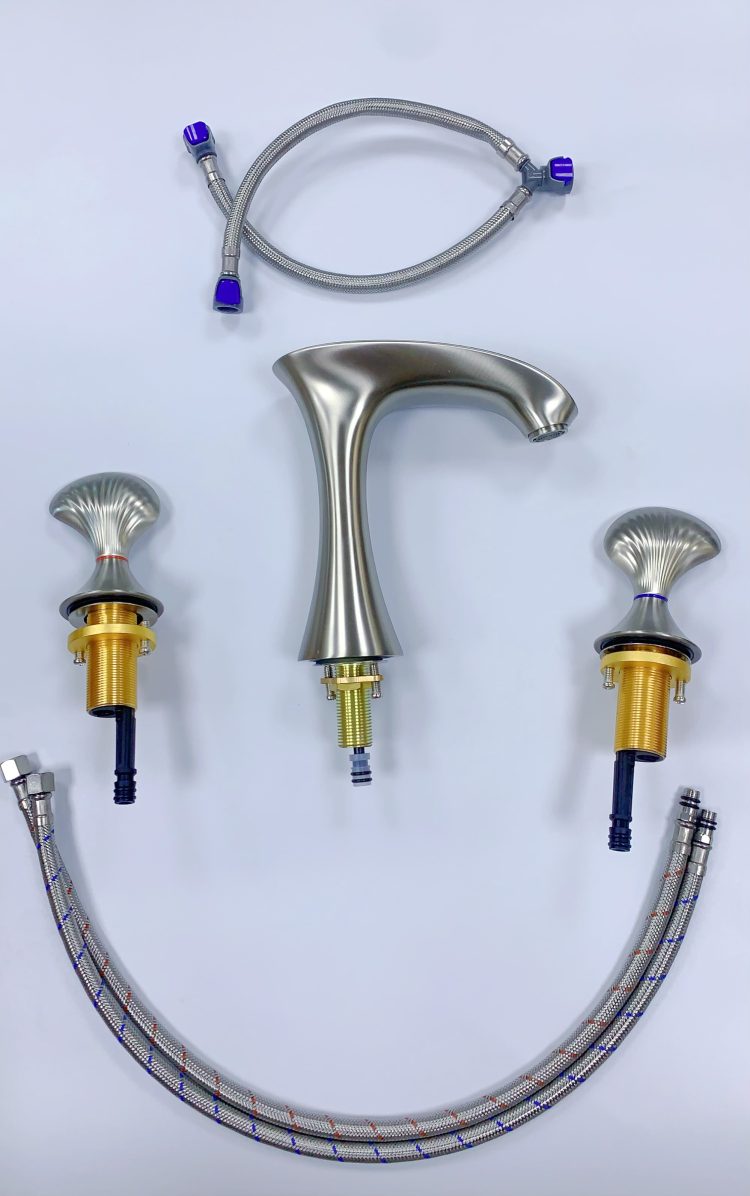
Zinc alloy faucet
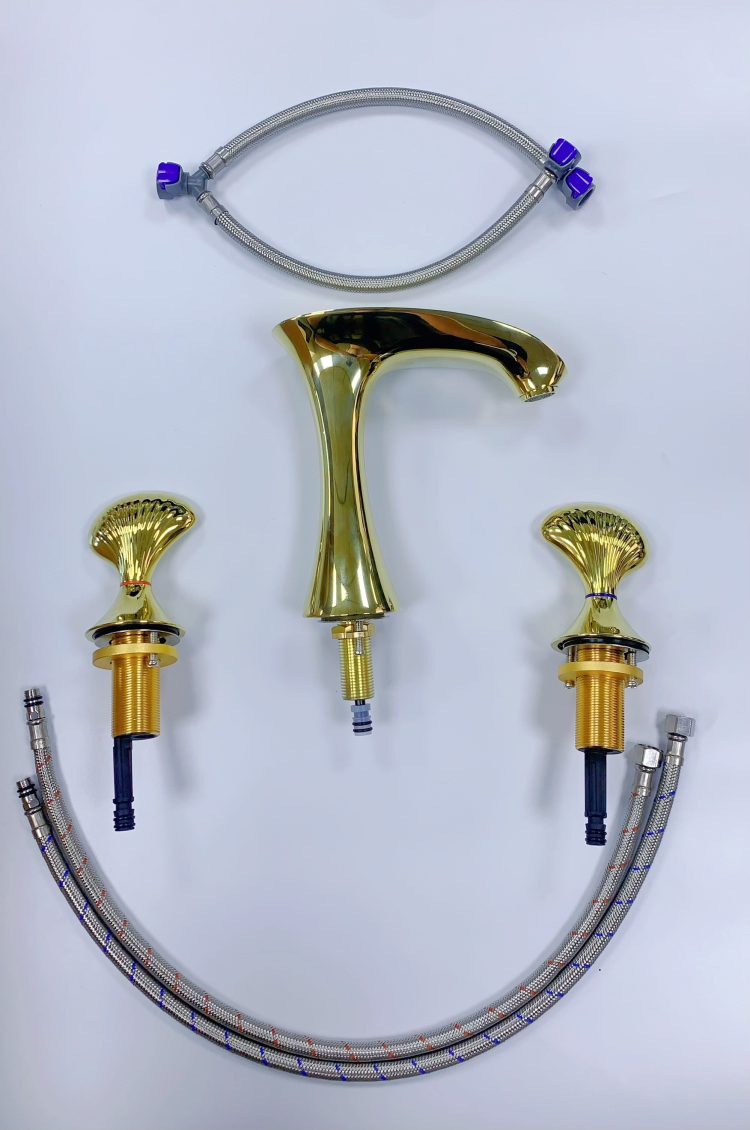
Zamak alloy faucet
Dispelling the Myths: Is a Zinc Faucet Safe and Durable?
The biggest question we hear from seasoned faucet buyers is: “Will a zinc alloy faucet corrode or fail the drinking water standards?” The answer, when sourced from the right manufacturer, is a resounding no. This isn’t the brittle, low-grade zinc of the past.
Modern Zamak alloys (like Zamak 3 or Zamak 5) are engineering-grade materials. Crucially, a high-quality Zinc die casting manufacture will use virgin, low-lead or lead-free Zamak formulas that fully comply with global potable water standards like NSF/ANSI/CAN 61 (USA), AS/NZS 4020 (Australia), and European 4MS requirements. When properly manufactured, zinc faucets do not leach harmful heavy metals into your water.
Regarding corrosion, the secret is the physical design and the finishing. A dense, high-pressure die-cast Zamak body has a fine grain structure that acts as an excellent substrate for electroplating. A reputable ZAMAK DIE CASTING MANUFACTURE applies a strict layering of copper, nickel, and chrome (just like on brass) that encapsulates the zinc, making it completely impervious to household water chemistry. With a 40-micron thick coating, the finished zinc faucet is indistinguishable from a brass one in appearance, weight heft, and corrosion resistance—and it passes 200-hour salt spray tests with ease.
The Manufacturing Edge: Why Your Supply Chain Needs Zinc
In today’s volatile shipping and labor market, supply chain simplicity is a superpower. Sourcing brass components often requires a fragmented chain: the casting shop, the machining vendor, the polisher, and the plating factory. Managing these separate entities adds lead time and cost risk.
Partnering with an integrated ZAMAK DIE CASTING MANUFACTURE collapses this chain. Under one roof, you get:
-
In-house mold design and manufacturing: Fast tooling changes.
-
High-speed, automated zinc die casting manufacture: Consistent dimensional accuracy (up to ±0.02 mm precision).
-
Automated polishing and robotic buffing: Eliminating the human error of manual brass polishing.
-
Advanced plating lines: Guaranteeing a perfect finish.
This integration means your zinc alloy faucets can go from raw idea to finished, packaged product in a fraction of the time it takes for brass. At www.zamakdiecasting.com, our vertically integrated Zinc die casting manufacture process gives procurement managers exactly what they crave in 2026: predictable lead times and stable pricing.
Seize the Shift Before Your Competitors Do
The market is already pivoting. Major European and North American brands are aggressively shifting their mid-to-high range faucet lines to zinc alloy precisely because modern Zamak technology has erased the quality gap while blowing the cost gap wide open. Wars, AI-driven copper demand, and energy transitions aren’t temporary blips—they are the new normal. By transitioning your faucet portfolio to zinc alloy now, you lock in structural cost advantages while maintaining the premium weight, feel, and mirror finish that end consumers demand.
Don’t let volatile copper prices dictate your bottom line. As an experienced ZAMAK DIE CASTING MANUFACTURE, we specialize in producing high-precision, high-durability zinc faucet bodies and components that meet the strictest international water safety standards. We invite you to explore our capabilities and discover how our Zinc die casting manufacture service can de-risk your supply chain.
Ready to redesign your faucet line for maximum profitability? Visit www.zamakdiecasting.com today to request a quote or talk to our engineering team about your next project. Make the smart switch to zinc alloy—where quality meets cost stability.