When sourcing custom lock components, international buyers often face a fundamental material dilemma: zinc alloy or aluminum alloy? Both are widely used in die casting, but they offer vastly different performance characteristics for security hardware such as zinc alloy locks and safe lock mechanisms.
Choosing the wrong material can lead to premature wear, plating failure, or even security vulnerabilities. As a specialized zinc alloy die casting factory, we frequently help clients navigate this decision. In this guide, we’ll compare the two materials across key criteria—strength, corrosion resistance, surface finish, and cost—to help you make an informed sourcing decision.
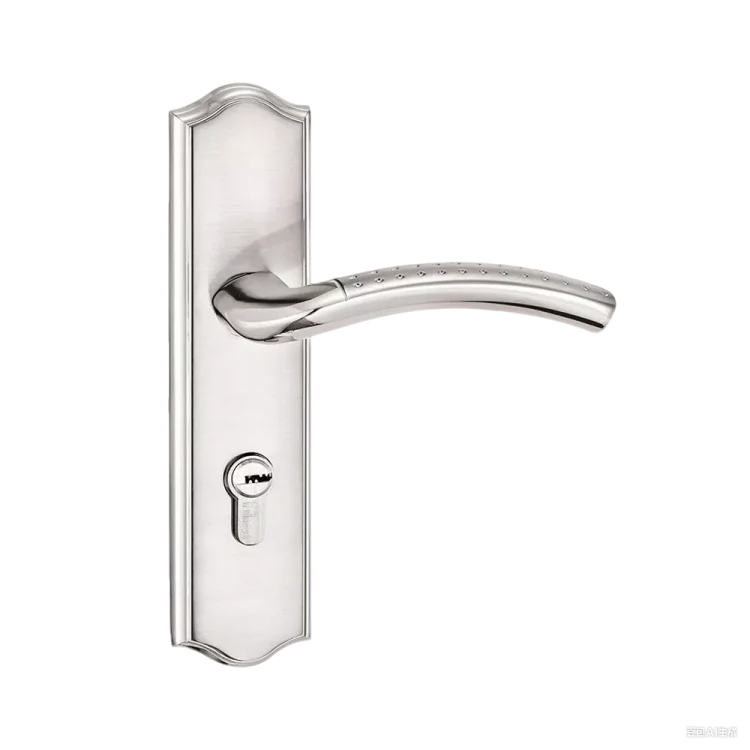
Aluminum alloy lock
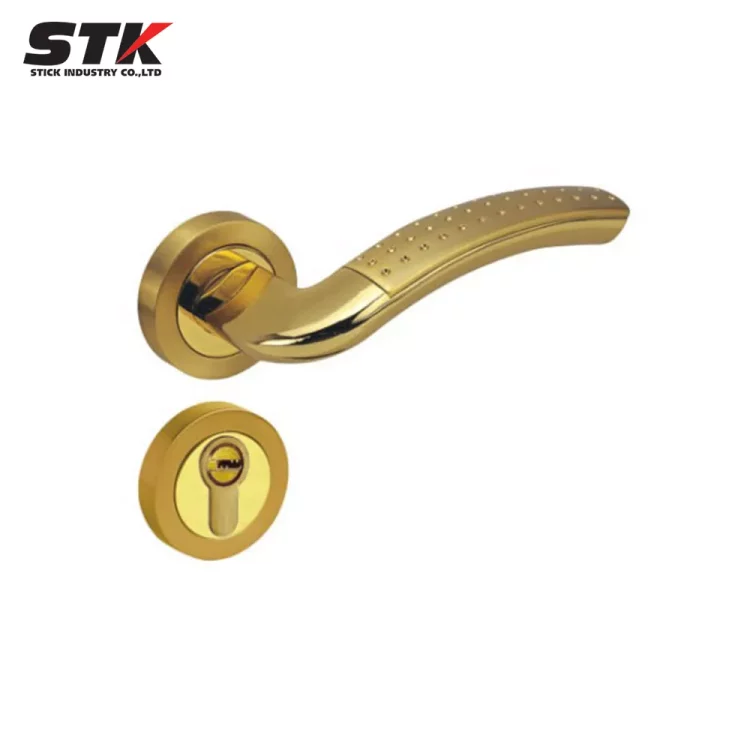
zinc alloy lock
Understanding the Materials: Zinc Alloy (Zamak) vs. Aluminum Alloy
Zinc Alloy (Zamak Family)
Zinc alloys used in zinc die casting are primarily from the Zamak family—Zamak 2, Zamak 3, and Zamak 5. These alloys are known for their excellent fluidity, high dimensional accuracy, and superior surface finishing capabilities. They are the industry standard for zinc alloy parts manufacturing in the lock and security sector.
Aluminum Alloy
Aluminum alloys are lightweight and offer good corrosion resistance. They are commonly used in automotive and consumer electronics. However, for lock hardware, aluminum presents several trade-offs that buyers must carefully evaluate.
Head-to-Head Comparison: Zinc Alloy vs. Aluminum Alloy for Lock Components
| Criteria | Zinc Alloy (Zamak) | Aluminum Alloy |
|---|---|---|
| Strength & Durability | Zamak alloys, especially Zamak 5, offer higher tensile strength and impact resistance. Ideal for safe lock components that must withstand forced entry. | Lower tensile strength; prone to galling under repeated mechanical stress. Not recommended for high-security applications. |
| Weight | Heavier, which adds a premium feel and stability to lock hardware. | Lighter, which can feel “cheap” in hand and may reduce the perceived quality of premium locks. |
| Surface Finish & Plating | Exceptional adhesion for plating (chrome, nickel, PVD). Zinc die casting produces smooth surfaces ready for decorative finishes. | More difficult to plate; often requires complex pre-treatment. Prone to porosity issues that cause plating blisters. |
| Dimensional Stability | Excellent stability; Zamak die casting holds tight tolerances (±0.02mm) essential for complex lock mechanisms. | Higher shrinkage rates during cooling; may require extensive machining to achieve precision. |
| Corrosion Resistance | Naturally corrosion-resistant; performs well in indoor and outdoor lock applications when properly finished. | Good natural oxide layer, but can suffer from galvanic corrosion when in contact with other metals (common in locks). |
| Cost Efficiency | Highly cost-effective for complex shapes thanks to near-net-shape zinc die cast capabilities. | Can be cheaper per kilogram, but higher tooling and post-processing costs often offset the savings. |
Why Zinc Alloy (Zamak) is the Preferred Choice for Lock Hardware
1. Superior Mechanical Strength for Security Applications
For safe lock mechanisms, strength is non-negotiable. Zamak 5, with its higher copper content, delivers the hardness and tensile strength required to resist drilling, torque, and impact. Aluminum simply cannot match this level of robustness in high-stress lock components.
2. Flawless Surface Finishes for Premium Aesthetics
Lock hardware is a touchpoint—it must look and feel premium. Zinc alloy die casting produces components with a smooth, pore-free surface that takes electroplating beautifully. Whether you need polished chrome, brushed nickel, or PVD finishes, zinc die casting parts achieve a consistent, defect-free result that aluminum often struggles to deliver.
3. Precision and Complexity
Modern locks involve intricate geometries—thin walls, internal ribs, and precise threading. Zinc die casting excels at producing complex shapes with minimal secondary machining. This is why most zinc alloy locks on the market rely on zamak die casting for both internal mechanisms and external housings.
4. Long-Term Reliability
Security hardware must perform over decades. Zinc alloys offer excellent creep resistance and dimensional stability over time, ensuring that locking mechanisms remain precise. Aluminum’s tendency to gall and wear under friction makes it less reliable for moving lock parts.
When Might Aluminum Be Considered?
Aluminum may be a viable choice for:
-
Non-structural decorative trim where weight reduction is critical.
-
Low-cost, disposable locking mechanisms with minimal security requirements.
-
Applications where galvanic compatibility with other aluminum components is necessary.
However, for professional security hardware—especially safe lock systems, heavy-duty padlocks, and premium architectural locks—zinc alloy parts manufacturing remains the industry standard.
Partnering with the Right Zinc Alloy Die Casting Factory
Selecting the material is only half the equation. To realize the full benefits of Zamak alloy die casting, you need a manufacturing partner with deep expertise in zinc alloy die casting manufacture.
As a dedicated zinc alloy die casting factory, we specialize in custom zinc die casting components for the global security industry. Our capabilities include:
-
In-house tooling and mold design for complex lock geometries.
-
Precision hot-chamber die casting machines ensuring repeatability.
-
Integrated finishing—plating, powder coating, and assembly.
-
Rigorous quality control with dimensional inspection and porosity testing.
Whether your project requires Zamak 3 for balanced performance, Zamak 5 for high-strength safe lock parts, or Zamak 2 for wear-resistant components, we deliver solutions that meet international standards.
Conclusion
When comparing zinc alloy vs. aluminum alloy for custom lock hardware, zinc alloy—particularly the Zamak family—offers clear advantages in strength, surface finish, precision, and long-term reliability. For international buyers seeking high-quality zinc alloy locks or safe lock mechanisms, partnering with an experienced zinc die casting manufacturer ensures that your products meet both aesthetic and security demands.
Ready to source premium custom lock components?
[Contact STICK INDSUTRY today] to discuss your project, or send your 3D drawings for a free feasibility analysis. Let us show you why leading lock brands trust our zinc alloy die casting expertise.