Zinc Alloy vs. Brass Faucet: Which Material Delivers Better Value for Your Plumbing Projects?
For decades, brass has been considered the “gold standard” for faucet manufacturing. However, with rising material costs and advances in precision casting, many OEM brands and sourcing professionals are now turning to zinc alloy die casting as a smart alternative.
Can zinc alloy faucet components truly match or even outperform brass? As a professional zinc alloy die casting factory, we manufacture high-quality zinc die casting components for bathroom and kitchen hardware. The answer depends on your design requirements, production volume, and cost targets.
In this article, we provide an honest, data-driven comparison between zinc alloy (Zamak) and brass – covering material properties, manufacturing processes, total cost of ownership, and application suitability.
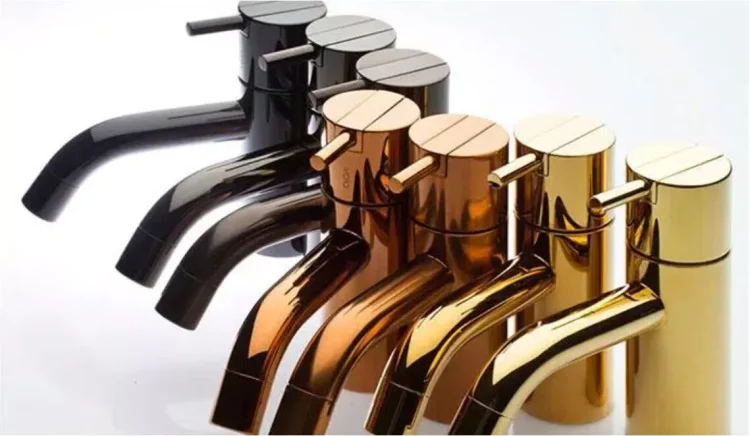
1. Material Basics: Brass vs. Zinc Alloy (Zamak)
Brass
Brass is a copper‑zinc alloy. Common grades for faucets include H59 or H62. Brass offers good machinability and natural antimicrobial properties, but it comes with two major challenges:
-
Lead content: Traditional brass contains 2–4% lead to improve machinability. Lead can leach into drinking water. Low‑lead or lead‑free brass (e.g., bismuth brass) is available but significantly increases material cost.
-
Price volatility: Copper prices fluctuate heavily on global markets, making long‑term cost forecasting difficult.
Zinc Alloy (Zamak)
Zinc alloy die casting primarily uses Zamak alloys – most commonly Zamak 2, Zamak 3, and Zamak 5. Through high‑pressure zamak die casting, molten metal is injected into precision molds to produce zinc die casting components with tight tolerances. Key advantages include:
-
Lead‑free by nature: Zamak contains no lead, making it fully compliant with NSF/ANSI 61 and RoHS without expensive alloy modifications.
-
Stable material cost: Zinc prices are generally more stable than copper, allowing better budget predictability.
-
Optimal density: Zinc alloy has a density of ~6.7 g/cm³ vs. brass at ~8.4 g/cm³. This means a solid, premium feel with approximately 20% less weight – reducing shipping costs.
2. Performance Comparison: Strength, Corrosion & Longevity
Many buyers worry that zinc alloy is less durable than brass. In reality, professional zamak alloy die casting produces components that rival or even surpass ordinary brass in several aspects.
| Property | Zinc Alloy (Zamak Die Casting) | Brass (Cast or Forged) |
|---|---|---|
| Tensile Strength | Zamak 5 reaches ~330 MPa, comparable to standard brass. | Typical brass: 300–400 MPa. |
| Hardness | Zamak 2 and Zamak 5 offer higher surface hardness, excellent for threads and wear surfaces. | Softer; threads may wear over time with frequent use. |
| Corrosion Resistance | Good resistance to tap water and humidity, but relies on quality plating. Professional factories achieve 48+ hours salt spray test without blistering. | Naturally corrosion‑resistant, but cheap brass can suffer “dezincification” – a form of selective corrosion that leads to leaks. |
| Low‑Temperature Toughness | Remains tough at low temperatures; no brittle fracture. | Impact toughness decreases at very low temperatures. |
| Drinking Water Safety | Inherently lead‑free – no special treatment needed. | Leaded brass risks heavy metal leaching; lead‑free brass is expensive and harder to machine. |
Conclusion: Under normal bathroom/kitchen conditions, a properly plated zinc alloy faucet with sound structural design can easily achieve a service life of 5–10+ years, meeting the quality requirements of mainstream brands.
3. Manufacturing Process: Why Zamak Die Casting Excels for Complex Shapes
For projects that require highly customized designs and large volumes, zinc die casting offers distinct advantages over brass fabrication:
-
Complex shapes in one shot: Brass faucets typically require forging or sand casting followed by extensive CNC machining. Zamak die casting can produce thin walls, internal threads, water chambers, logos, and even anti‑counterfeiting features in a single operation.
-
High dimensional accuracy: Zinc alloy die casting achieves IT5–IT7 precision. Threads and mating surfaces often need no secondary machining.
-
Excellent surface finish: Zamak alloys have outstanding fluidity, perfectly replicating the mold’s surface. Minimal polishing is required before electroplating, and the plated layer has strong adhesion – no blistering.
-
Ideal for high volume: A high‑quality die casting mold can produce hundreds of thousands to millions of zinc die casting components with consistent quality, making unit cost far lower than brass.
4. Choosing the Right Zamak Grade: Zamak 2, Zamak 3, Zamak 5
As a dedicated zinc alloy die casting factory, we recommend specific Zamak grades based on the mechanical demands of each faucet component:
-
Zamak 3 – The general‑purpose workhorse. Excellent balance of strength, ductility, and plating quality. Ideal for faucet bodies, handles, decorative covers, and spouts. It is the standard choice for most zinc alloy faucet applications.
-
Zamak 5 – Contains slightly more copper, offering higher strength and hardness than Zamak 3, though with slightly lower ductility. Perfect for heavy‑load parts like long lever handles, wall‑mounted shower arms, and coupling nuts.
-
Zamak 2 – The highest hardness and creep resistance among common Zamak alloys. Suitable for high‑wear components such as cartridge retaining rings and internal parts of diverter valves that see frequent rotation.
Our engineers will review your product drawings and recommend the most cost‑effective zamak die casting material for each application.
5. Cost & Total Cost of Ownership: Zinc Alloy Wins Clearly
For procurement decision‑makers, total cost of ownership (TCO) matters more than raw material price alone.
| Cost Factor | Zinc Alloy Faucet | Brass Faucet |
|---|---|---|
| Raw Material | Lower and more stable zinc price; high material utilization (runners and sprues are remelted in‑house). | High and volatile copper price; significant waste from casting sprues and risers. |
| Machining Cost | Net‑shape die casting requires very little secondary machining. | Forging or sand casting requires extensive drilling, tapping, turning – higher labor and machine time. |
| Plating Cost | Dense, homogeneous surface needs only standard copper‑nickel‑chromium plating; low reject rate. | Cast brass may have micro‑porosity, requiring thicker plating to cover defects – higher reject risk. |
| Shipping Cost | ~20% lighter than brass for the same volume – lower freight cost. | Heavier – higher freight cost. |
| Compliance Cost | Naturally lead‑free – no expensive alloy or certification surcharge. | Lead‑free brass (e.g., bismuth brass) is costly and harder to machine. |
In total, a well‑designed zinc alloy die casting faucet typically reduces manufacturing costs by 20–35% compared to an equivalent brass faucet – without compromising retail price positioning.
6. Addressing a Common Myth: Do Zinc Alloy Faucets “Crumble” Easily?
Some experienced buyers recall old stories about zinc alloy becoming brittle or powdery over time. This usually results from one of two situations:
-
Poor‑quality alloy – Using recycled zinc with impurities (lead, cadmium, tin) instead of virgin Zamak ingots.
-
Improper pre‑treatment before plating – Over‑etching or aggressive chemical cleaning that attacks the zinc substrate, leading to later blistering or substrate degradation.
Reputable zinc alloy die casting parts manufacturers strictly use virgin Zamak ingots (Zamak 3, Zamak 5) and follow specialized pre‑treatment processes for zinc alloys. With proper process control, zinc die casting components have corrosion resistance and service life comparable to brass – and they fully comply with international drinking water standards.

Conclusion: When to Choose Zinc Alloy vs. Brass
-
Choose brass if you require extremely high‑strength industrial valves, or a true unplated brass finish for traditional/reproduction styles.
-
Choose zinc alloy die casting if you want complex, intricate shapes, high‑volume production at lower cost, lighter weight for reduced logistics, and lead‑free compliance without expensive alloy upgrades.
As a professional zinc alloy die casting factory, we offer one‑stop services – from mold design and zamak die casting to precision machining and electroplating. Whether you need Zamak 3 faucet bodies or Zamak 5 heavy‑duty handles, we help you bring high‑quality faucets to market at a competitive cost.
Looking for reliable zinc alloy die casting parts manufacturers? Contact us STICK INDUSTRY today. Send your drawings or samples for a customized quote and engineering review.